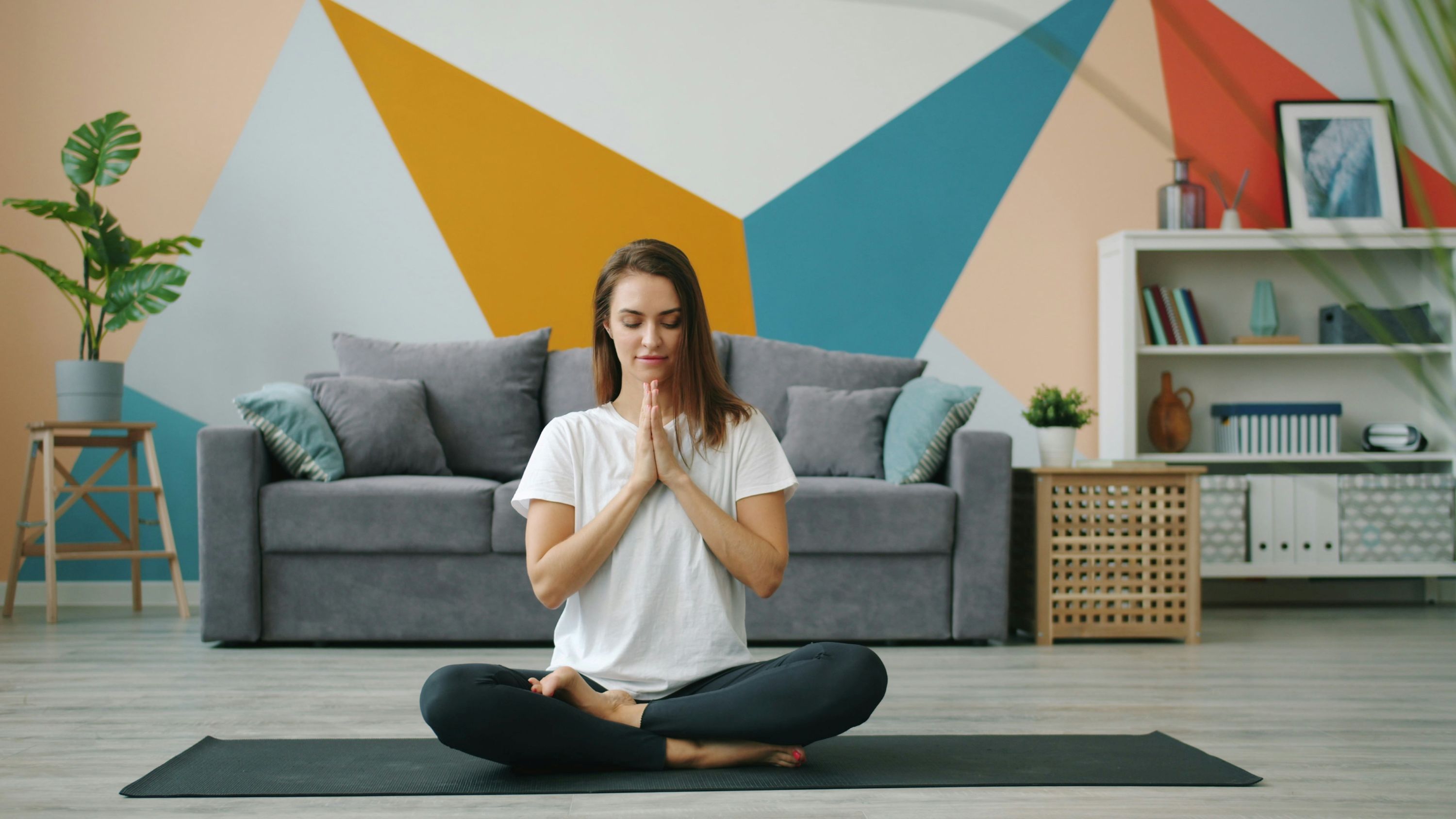
Pranayama Breathing: How Breath Can Support Emotional Healing
Breathing is something we do automatically, yet it has a powerful influence on how we feel emotionally and physically. When we feel anxious, stressed, or overwhelmed, our breathing often becomes shallow and irregular.When we feel calm, our breathing becomes slower and more balanced. Psychotherapist Francesca Moresi explains that learning how to work with the breath can play an important role in therapy and emotional well-being.
One approach often used in therapeutic settings is pranayama breathing, a structured breathing practice that helps regulate the nervous system and improve emotional awareness. Pranayama comes from Sanskrit, where prana means life energy and yama means control. Together, the term refers to techniques that help individuals consciously control their breathing in order to support both mental and physical health.
Article #2
The Connection Between Breath and Emotions
Our breathing patterns are closely linked to our emotional state. Stress, anxiety, sadness, and fear can all influence how we breathe. At the same time, the way we breathe can also influence how we feel.
Slow and controlled breathing helps calm the nervous system and reduce the body’s stress response. This makes breathwork a valuable tool in therapy, particularly for individuals experiencing anxiety, emotional overwhelm, or difficulty managing stress.
Francesca Moresi emphasizes that breathwork allows individuals to become more aware of their internal experiences. By noticing changes in breathing patterns, people can begin to understand their emotional triggers and develop healthier ways of responding.
Pranayama vs General Breathwork
Breathwork is often used to promote relaxation and mindfulness, but pranayama breathing is more structured.
Pranayama follows specific breathing rhythms and techniques designed to improve focus, emotional balance, and overall well-being. It has roots in ancient yogic traditions and focuses on improving the flow of energy within the body.
General breathwork may include simple breathing exercises used to reduce stress, but it may not always follow the same structured approach.
Both methods can support emotional health, but pranayama provides a more intentional and guided way to work with the breath.
How Breathing Affects the Nervous System
Breathing directly influences the autonomic nervous system, which controls the body’s stress and relaxation responses. Inhalation activates the sympathetic nervous system, often referred to as the fight-or-flight response. Exhalation activates the parasympathetic nervous system, which promotes calmness and relaxation.
By slowing down the breath, individuals can signal to the body that it is safe to relax. Over time, this can improve emotional regulation, focus, and resilience.
Many people lose the habit of deep breathing as they grow older, which can increase stress levels and reduce mental clarity. Learning proper breathing techniques can help restore balance and improve overall well-being.
Therapy as a Personal Journey
Francesca Moresi highlights that therapy is not a one-size-fits-all process. Each individual brings unique experiences, emotional patterns, and personal challenges.
Therapy provides a supportive space for individuals to better understand themselves, explore their emotions, and identify patterns that may be limiting growth.
An important part of this process involves recognizing personal narratives — the beliefs and stories people hold about themselves. Sometimes these narratives are shaped by past experiences and may contribute to feeling stuck or overwhelmed.
Through therapy and practices such as breathwork, individuals can begin to reshape these narratives and create new perspectives that support personal development.
Self-Care as an Ongoing Practice
Self-care is not only about relaxation or temporary relief from stress. It is an ongoing commitment to supporting mental and emotional health.
Practices such as pranayama breathing can become part of daily routines, helping individuals manage stress and maintain emotional balance over time.
Personal growth is rarely linear. There may be periods of progress as well as moments of difficulty. Developing supportive habits helps create stability and resilience throughout this journey.
The Role of Mental Health Professionals
Psychologists, psychotherapists, and clinical psychologists all play important roles in supporting emotional well-being. Psychotherapists often work with individuals to explore thoughts, emotions, and behaviours, helping them gain clarity and self-awareness.
Clinical psychologists may use structured approaches to support individuals experiencing more complex mental health challenges. Although their methods may differ, their shared goal is to support individuals in developing healthier coping strategies and improving emotional well-being.
Professional guidance can be valuable when navigating emotional challenges, particularly when past experiences feel difficult to manage alone.
Clinical psychologists often use schema therapy when deeper emotional work is needed beyond short-term therapeutic approaches.
Final Thoughts : A Simple Breath Can Create Meaningful Change
Pranayama breathing reminds us that small actions can create meaningful shifts in how we feel.
By learning to slow down and become more aware of the breath, individuals can improve emotional balance, reduce stress, and strengthen the connection between mind and body.
Healing and personal growth often begin with simple steps. Something as natural as breathing can become a powerful tool for building resilience, clarity, and well-being.
Next Steps
If you need to find a list of practitioners that deal with Pranayama breathing, please look at our directory here - https://mouldinghealth.com/psychotherapist
To explore more about pranayama breathing, please check our article here - https://mouldinghealth.com/counselling-psychologist-jess-walker-counselling-psychologist-bristol-uk
If you're a healthcare practitioner and need to practice management tools, please consider our curated solutions here - https://kitrin.com
If you're just starting out as a healthcare practitioner and need to register your private practice number or need help with registering with medical aid companies (in South Africa), consider our Private Practice 101 Product here - https://kitrin.com/get-your-bhf-pcns-practice-number