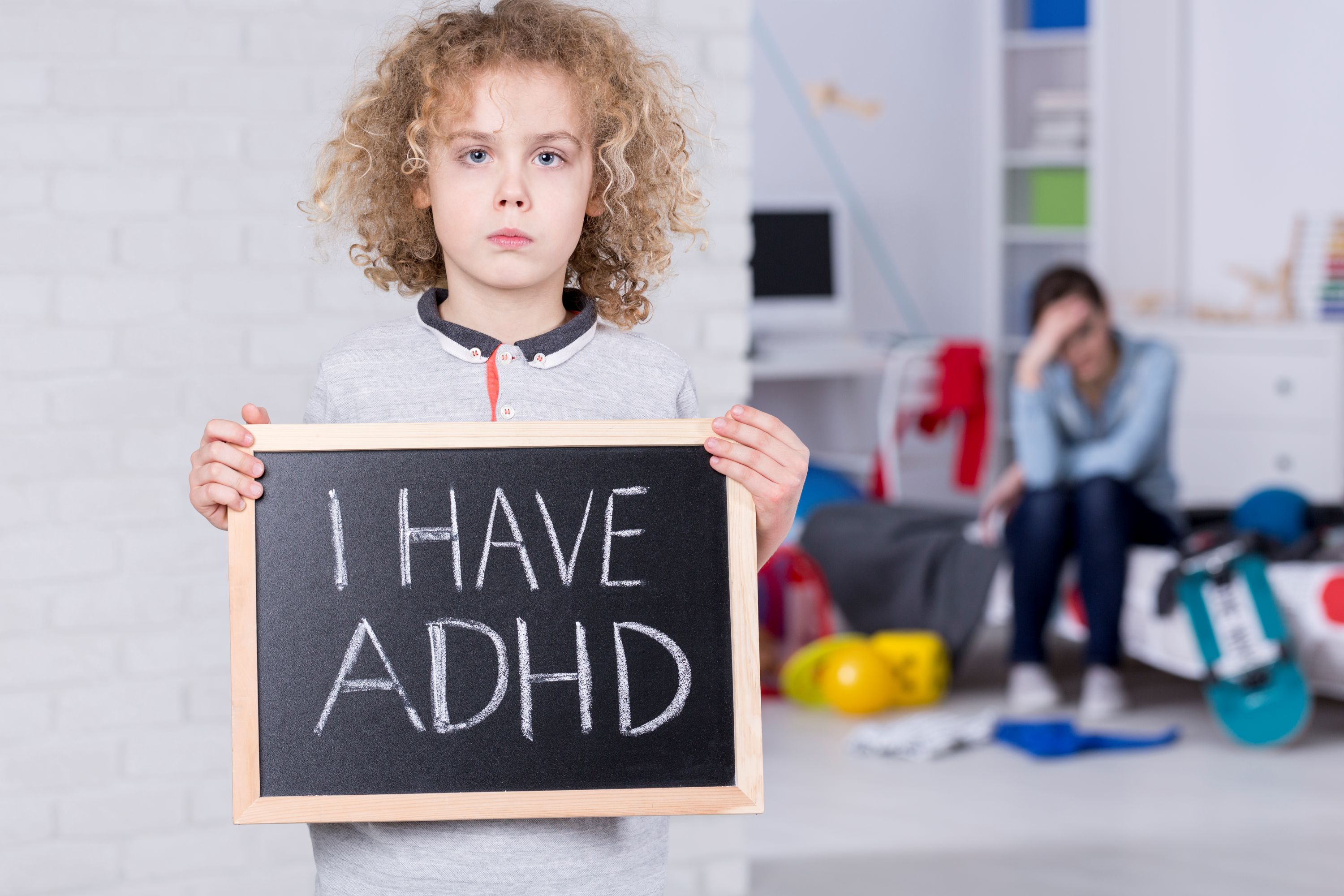
Understanding ASD Causes: Insights from Educational Psychologist Simon Kitson
Autism Spectrum Disorder (ASD) is often discussed as a condition that affects communication, behaviour, and social interaction. However, many professionals, including educational psychologist Simon Kitson, emphasise that ASD should also be understood as a variation in how individuals think, learn, and experience the world.
Every child with ASD has unique strengths as well as challenges. Understanding these differences allows parents, educators, and practitioners to provide the right support and create environments where children can thrive.
This article explores the possible causes of ASD, its relationship with ADHD, common characteristics, and the important role educational psychologists play in supporting children and families.
Article #4
Understanding ASD and ADHD
ASD (Autism Spectrum Disorder) and ADHD (Attention Deficit Hyperactivity Disorder) are neurodevelopmental conditions that affect how individuals process information, behave, and interact socially.
ADHD is commonly associated with symptoms such as inattention, impulsivity, and hyperactivity. While the exact cause of ADHD is not fully understood, research suggests that factors such as genetics, premature birth, or prenatal influences may contribute.
ASD refers to a spectrum of differences in communication, social interaction, behaviour, and sensory processing. Some individuals may prefer routines and predictability, while others may experience sensitivity to sound, light, touch, or other sensory inputs.
It is also possible for individuals to experience both ASD and ADHD at the same time. In some cases, additional conditions such as dyslexia, anxiety, or depression may also be present. Because each individual experiences these conditions differently, support approaches should always be personalised.
What Causes Autism Spectrum Disorder?
ASD does not have a single known cause. Research suggests that it is influenced by a combination of genetic, neurological, and environmental factors.
Some contributing factors may include:
- Genetic influences : Studies show that genetics play a significant role in ASD, with certain genes being linked to differences in brain development.
- Environmental factors : Prenatal influences such as maternal health, exposure to substances, or complications during pregnancy may increase the likelihood of ASD.
- Neurological differences : Research indicates that individuals with ASD may have differences in brain structure and function, which can affect communication, behaviour, and social interaction.
- Co-occurring conditions : ASD often occurs alongside other conditions such as ADHD, anxiety, dyslexia, or depression, which can influence how symptoms appear.
- Gender differences : ASD is diagnosed more frequently in boys, although growing awareness suggests that symptoms in girls may sometimes present differently and be under-recognised.
ASD is complex and multifaceted, meaning that understanding each individual’s experience is more important than focusing on a single cause.
Common Characteristics of ASD and ADHD
Children with ASD or ADHD may experience a range of characteristics that vary in intensity.
- Some children may show sensitivity to sensory experiences such as sound, touch, taste, or light. Others may prefer predictable routines or find changes in routine challenging.
- Communication differences may include repeating phrases, interpreting language literally, or finding social interactions overwhelming.
- Children with ADHD may experience difficulty maintaining attention, controlling impulses, or managing activity levels.
It is important to remember that these characteristics exist on a spectrum. Some individuals may require more support, while others develop coping strategies that allow them to function independently.
Recognising strengths alongside challenges helps create more supportive learning and social environments.
How Autism Spectrum Disorder is Supported
There is no single treatment for ASD. Instead, support typically involves a combination of educational, behavioural, and therapeutic approaches tailored to individual needs.
Support may include:
- Educational interventions to assist with learning strategies.
- Speech and language therapy to support communication skills.
- Occupational therapy to address sensory and motor challenges.
- Behavioural therapies to develop coping strategies.
- Structured routines that create predictability.
Early identification and intervention can significantly improve long-term outcomes.
Collaboration between parents, educators, therapists, and psychologists helps create consistent support systems that benefit the child’s development.
The Role of Educational Psychologists
Educational psychologists play an important role in supporting children with ASD and ADHD. They assess learning needs, observe behaviour patterns, and identify areas where additional support may be helpful.
Through assessments, interviews, and observations, educational psychologists develop personalised strategies that help children manage challenges and build on their strengths.
They also guide parents and educators in understanding how children learn best and how environments can be adapted to support development.
By increasing awareness and understanding of ASD and ADHD, educational psychologists help create inclusive environments where children feel supported and understood.
Supporting Awareness and Understanding
Greater awareness of ASD and ADHD helps reduce misconceptions and encourages more inclusive approaches in education and healthcare.
Understanding that ASD represents a difference in thinking and processing — rather than simply a limitation — allows families and professionals to focus on strengths while providing the right support.
With the right resources, guidance, and collaboration, children with ASD and ADHD can develop skills that support independence, confidence, and long-term well-being.
Final Thoughts
Understanding ASD involves recognising both the challenges and strengths of individuals on the spectrum. With early awareness, personalised support, and collaboration between parents, educators, and professionals, children can receive the guidance they need to thrive.
Educational psychologists play an important role in providing assessments and strategies tailored to individual needs. With the right support systems in place, individuals with ASD can build confidence, develop skills, and achieve meaningful growth.
Next Steps
If you are a Educational Psychologist and would like to be listed in our directory:, please look at our directory here - https://mouldinghealth.com
If you're a healthcare practitioner and need to practice management tools, please consider our curated solutions here - https://kitrin.com
If you're just starting out as a healthcare practitioner and need to register your private practice number or need help with registering with medical aid companies (in South Africa), consider our Private Practice 101 Product here - https://kitrin.com/get-your-bhf-pcns-practice-number